How AI Is Leveraged in Digital Marketing for Rochester Businesses
What AI Means in Digital Marketing
Artificial intelligence is the use of software that can analyze data, identify patterns, and take decisions or recommendations with limited human input. In digital marketing, that usually means using machine learning models and automation tools to help teams work faster, spot opportunities sooner, and improve results with more precision.
For Rochester businesses, digital marketing is not just about being active online. It is about staying visible in a competitive local market, matching search intent, and turning traffic into real leads. AI helps with that by streamlining repetitive tasks, improving targeting, and surfacing insights that would be hard to see manually.
At a practical level, AI can support everything from audience segmentation and content optimization to predictive planning and performance analysis. A local restaurant in downtown Rochester may use it to understand peak search times. A healthcare practice in Brighton may use it to improve appointment-driven campaigns. A manufacturer in Henrietta may use it to identify better B2B opportunities. Across industries, AI is making digital marketing more efficient and more relevant.
How artificial intelligence Enhances SEO Services
Artificial intelligence has become into a key part of modern SEO services because it makes keyword research, search intent analysis, and content optimization more accurate. Instead of relying only on manual guesses, marketers can use automated tools to identify which terms users actually search, how competitive they are, and what type of content is most likely to rank.
Keyword research is one of the main beneficiaries. Machine learning can cluster related keywords, identify topic gaps, and reveal how people phrase questions differently depending on their intent. That matters because ranking for the right term is not enough if the page does not satisfy the searcher’s goal. A user searching for “Rochester web design” may want a vendor, while someone searching for “best web design tips” may want advice. Artificial intelligence helps distinguish those differences so SEO services can align content more closely with intent.
AI also improves content optimization by analyzing on-page structure, semantic relevance, headings, and readability. It can suggest related terms, content expansions, and internal linking opportunities that improve visibility without keyword stuffing. For local companies in Monroe County, this can be especially useful for local SEO because pages can be tuned to rank for neighborhood and city-based searches, including downtown Rochester, Brighton, Penfield, Irondequoit, and Henrietta.
When used well, artificial intelligence does not replace SEO strategy. It reinforces it. The best results still come from combining machine intelligence with human judgment, especially when the goal is to build authority, improve relevance, and drive measurable performance over time.
How AI Supports Web Design and User Experience
AI is changing web design by enabling teams create websites that are more intuitive to navigate, better adapted to user behavior, and stronger at converting visitors into customers. Strong user experience depends on recognizing how people move through a site, where they hesitate, and what persuades them to take action. AI helps reveal those patterns faster.
For example, AI can analyze heatmaps, session recordings, scroll depth, and click behavior to detect usability issues. If visitors on a Rochester service website are dropping off before the contact form, AI may point to confusing navigation, weak calls to action, or poor mobile layout. That makes conversion rate optimization more focused and less dependent on guesswork.
Chatbots are an additional AI use case in web design. They can answer basic questions, guide visitors to the right page, and capture leads after hours. For local businesses that get calls from people searching “near me” late at night or on weekends, a chatbot can keep engagement going until staff responds. This can be especially useful for service-area companies that cover Rochester and nearby suburbs like Irondequoit or Penfield.
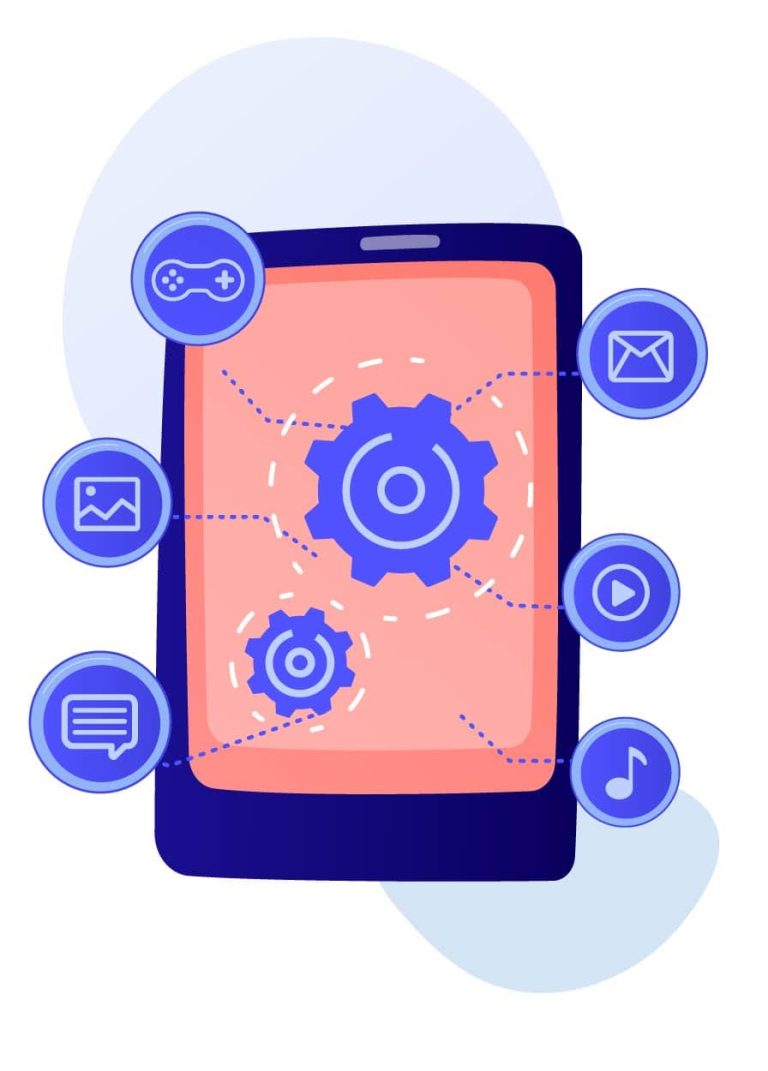
AI can also enhance accessibility and personalization. It may help suggest layout improvements, content adjustments, or call-to-action placement based on user behavior. That improves both user experience and conversion efficacy. For businesses investing in web design, the goal is not just a polished look. It is a site that performs well, loads efficiently, and shows the brand clearly.
AI for Ad Campaigns and Targeting
Search ads has been changed by predictive analytics and automated bid management systems. Platforms like Google Ads already use AI to help advertisers boost targeting, adjust bids, and reach high-intent users at the right moment. For Rochester businesses, that can mean stronger budget management and improved performance from paid marketing campaigns.
Audience segmentation is one of the most valuable applications. AI can categorize users based on activity, likes, past interactions, and location signals. A business serving Monroe County might distinguish first-time site visitors from returning visitors, or separate downtown Rochester users from those in Henrietta who are searching for the same service. That kind of segmentation improves relevance and reduces wasted spend.
Predictive data tools can also help identify which campaigns are best positioned to convert before too much budget is spent. Instead of waiting until the end of the month to assess results, marketers can use AI-based trends to update messaging, bid strategy, and landing page strategy in real-time.
For local service providers, AI can make Google Ads more effective by matching ads to nearby search queries such as “plumber near me,” “Rochester dentist,” or “marketing agency in Brighton.” It can also help adapt ad messaging by location, device, time of day, or audience behavior. The result is better targeting, improved visibility, and stronger conversion potential.
Artificial intelligence for content development and Personalization
Content generation is one of the clearest uses of AI in digital marketing, but the best teams use it as a starting point, not a final product. AI can help brainstorm blog topics, build outlines, produce ad variations, and speed up production. That creates efficiency for marketing teams that need to publish on a steady basis while keeping up with changing demand.
Customization is where AI becomes especially valuable. It can adapt content based on user behavior, industry, location, or stage in the buying journey. A healthcare practice may show one message to a new visitor and a different one to a returning patient. A manufacturing company may personalize content for procurement teams versus executives. This type of dynamic content improves relevance and engagement.
Voice still matters. AI can support writing, but it should not flatten a company’s personality or make every message sound generic. The strongest results happen when marketers define clear tone guidelines and use AI to maintain cohesion rather than replace originality.
For Rochester businesses, this is especially important because many local markets are relationship-driven. Whether a company serves education, healthcare, manufacturing, or small business clients, content should sound credible, local, and trustworthy. AI helps expand that effort, but human review keeps the messaging aligned with the brand voice.
AI in Email, Social Channels, and Lead Nurturing
Email outreach stands as one of the strongest examples of AI-driven marketing automation. AI tools can determine the best send times, suggest subject lines, segment lists, and personalize follow-up messages based on user actions. That improves open rates, click-through rates, and overall response quality.
In social channel marketing, AI can help identify which posts generate the most engagement, recommend optimal posting times, and even support content planning by topic or audience. For Rochester local businesses, this allows them to tailor messaging to seasonal demand, community events, or neighborhood-specific interests. A business in Irondequoit may want different content than one serving downtown Rochester professionals.
Lead nurturing becomes more effective when AI tracks behavior across multiple touchpoints. If someone downloads a guide, visits a service page, and opens two emails, the system can trigger a more relevant follow-up sequence. That kind of streamlining helps sales teams focus on warmer leads instead of treating every contact the same.
Marketing automation also supports scalability. A small team can manage more campaigns, follow up faster, and maintain consistency without adding unnecessary manual work. For Rochester businesses that need to do more with limited time and budget, this can be a major advantage.
How artificial intelligence Assists Measure Campaign Performance
Data analysis is one of AI’s most valuable benefits to digital marketing because it turns raw data into usable insights. Instead of manually checking every channel, AI tools can condense trends, flag anomalies, and reveal what is driving performance. That makes reporting quicker and more actionable.
Channel attribution is especially important because customers rarely convert after just one touchpoint. They might first find a brand through local SEO, then click a Google Ads campaign, then return through email marketing before submitting a form. AI helps estimate how those channels combine so marketers can understand which efforts deserve credit.
Key performance tracking becomes more useful when AI is used to monitor changes in real time. Marketers can watch leads, calls, form completions, traffic quality, and conversion rates without waiting for a monthly recap. If a campaign starts losing visibility or engagement, AI can help identify the issue earlier.
For Rochester businesses, this matters because local competition can shift quickly. A seasonal retail promotion, a healthcare service launch, or a B2B campaign tied to the local economy may need fast adjustments. AI-based reporting helps companies adapt based on evidence rather than instinct alone.
In what way can Rochester, NY Businesses Can Use AI Strategically
Rochester, NY businesses can leverage AI most effectively when it supports a clear marketing strategy instead of leading the strategy itself. That means establishing goals first, then identifying the right tools for SEO services, web design, paid media, content, and lead follow-up.
Local SEO is one of the best entry points. Businesses that compete in Monroe County searches need pages that show local intent and strong service relevance. AI can help identify city and suburb-based keyword opportunities, such as queries tied to Brighton, Henrietta, Irondequoit, or Penfield. It can also improve map visibility by improving listing content, review response workflows, and location-specific landing pages.
Rochester’s economy gives AI a wide range of practical uses. Small business marketing teams can use it to work more effectively. Healthcare organizations can use it to https://newark-ny13052vx080.lowescouponn.com/top-day-excursions-from-batavia-ny-for-a-rochester-area-adventure improve patient acquisition and appointment flow. Education-focused institutions can use it to segment prospective students. Manufacturing firms can use it to nurture leads, support B2B visibility, and refine targeting for longer sales cycles.
Local intent matters too. A person searching for “service near me” in downtown Rochester has different expectations from someone searching from a suburb. AI helps distinguish those signals and tailor campaigns accordingly. But strategy still requires ai experts who understand both the technology and the local market. The best providers know how to use AI to improve visibility, maintain brand consistency, and support measurable business outcomes.
50 Fountain Plz #1400, Buffalo, NY 14202
(315) 758-3349
https://maps.app.goo.gl/y9HMhvcoPCh9V3eKA
https://sunstonedigitaltech.com/buffalo-marketing-agency/web-design
42.8898193, -78.8738661
For Rochester companies, AI works best when it strengthens the human side of digital marketing rather than replacing it. The most effective approach combines smart automation, local insight, and a clear understanding of the customer journey.
Common Questions About AI in Digital Marketing
How is AI used in digital marketing today?
AI is used in digital marketing to automate tasks, improve targeting, analyze data, and personalize content across channels. It supports SEO services, web design, paid search, email marketing, social media marketing, reporting, and lead nurturing. Businesses use it to increase efficiency, improve performance, and make better decisions based on insights rather than guesswork.
Can AI improve SEO services and search rankings?
Yes, AI can improve SEO services by improving keyword research, search intent analysis, and content optimization more accurate. It assists marketers identify better opportunities, align pages with intent, and improve on-page relevance. It can also support local SEO by detecting location-based search patterns and content gaps. AI should support the SEO strategy, not replace it.
How does AI help web design and user experience?
AI improves web design by analyzing user behavior, identifying friction points, and suggesting improvements that enhance user experience. It can support conversion rate optimization by showing where people drop off and which design elements influence action. Chatbots also improve responsiveness by answering questions and capturing leads. That makes the site more helpful and more results-driven.
What are the best AI tools for small businesses in Rochester, NY?
The best AI tools depend on the business goal, but small businesses in Rochester often gain from tools for marketing automation, analytics, content generation, chatbots, keyword research, and paid ad optimization. The most useful tools are the ones that match the company’s workflow and local marketing needs. A restaurant, law firm, healthcare practice, or local contractor may need quite different capabilities.
Should businesses rely on ai experts for strategy and implementation?
Yes, businesses should work with ai experts when they need help choosing the right tools, applying them correctly, and connecting them to a broader marketing strategy. Implementation matters because poor setup can waste budget or weaken brand voice. Experienced experts can align AI with goals, maintain quality control, and ensure the technology improves rather than complicates marketing efforts.