What Drives a Conversion-Focused Landing Page in Syracuse, NY?
What defines a high-converting landing page?
A landing page is a targeted page built to move a visitor toward one clear action, whether that is completing a form, booking a consultation, or requesting a quote. A high-converting page is not just appealing; it is designed to increase conversion rate by matching visitor intent with a direct call to action and a easy path forward.
For Syracuse businesses, the goal of lead generation is usually not to impress everyone. It is to help the right people quickly understand the value proposition and take the next step. That means every section should minimize hesitation, answer questions, and create a frictionless experience that feels simple to trust.
A strong landing page focuses on one core offer, one audience, and a single outcome. Whether the goal is service inquiries, appointment requests, or demo bookings, the page should support conversion-centered design from the first headline to the final form submission.
How do web design and user experience influence conversions?
Web design and user experience shape how fast visitors grasp your message and whether they keep working toward the goal. A page can have great services, but if the layout feels messy or hard to follow, users will leave before taking action. Good design creates visual hierarchy, so the most important elements draw attention immediately.
For example, a law firm in downtown Syracuse or a home services company serving Eastwood needs a page that leads the eye naturally from headline to offer to form. Strong spacing, readable typography, and clear section breaks help visitors review content fast. This matters because many users are deciding in seconds whether your page deserves their time.
Mobile responsiveness is especially important. Syracuse audiences often browse on phones while commuting, comparing providers during lunch, or checking options during winter weather when they want answers right away. If the mobile layout is lagging, tight, or hard to tap, the bounce rate increases and the engagement rate drops.
Design and usability also support performance optimization. A simple page layout, clear buttons, and a fast-loading interface all help users complete actions without difficulty. That is why web design is not just visual polish; it is part of the conversion strategy.
How can SEO services help a landing page turn visitors into leads?
SEO services go beyond increase https://irondequoit-ny14586jl583.zenbloomer.com/posts/in-what-way-artificial-intelligence-improves-search-engine-optimization-for-syracuse-companies-in-syracuse-ny rankings. They help make sure the landing page matches search intent so visitors arrive with the right expectations. When the page content aligns with what users are really looking for, the page is more likely to convert visits into leads.
Good keyword targeting enables the page appear for searches that reflect a real need. For instance, a Syracuse healthcare practice may want to rank for local service terms that indicate immediate interest, while a contractor may want queries tied to emergency repairs or seasonal maintenance. The better the page matches intent, the better the organic traffic quality.
SEO also improves search visibility, which encourages lower-cost lead generation over time. While paid campaigns can produce immediate visits, well-optimized landing pages can continue to bring qualified visitors through organic channels. Those visitors often convert better because they are actively searching for a solution.
SEO and conversion work best together. The page should be optimized for humans first, but the right structure, headings, and content help search engines understand relevance. That combination supports higher-quality traffic and stronger conversion outcomes.
What role does digital marketing play in landing page performance?
Digital marketing decides how prospects arrive at the landing page and which they hope to find there. A page that succeeds for one channel may underperform in another if the messaging, offer, or audience assumptions do not line up. That is why traffic sources matter so much.
A landing page tied to paid search, social ads, email, or local campaigns should have campaign alignment. The ad copy, offer, and page headline should share the same story. If an ad promises a free estimate for a roofing project in Syracuse, the landing page should support that promise immediately instead of forcing users to search for it.
Audience targeting is also critical. Digital campaigns can speak to homeowners, patients, students, or business decision-makers, but each group has different pain points and expectations. A page that speaks directly to those needs with benefits-driven messaging will usually outperform a generic page that tries to speak to everyone.
For Syracuse businesses, digital marketing should reflect local realities too. A seasonal service company may see demand spikes during winter storms, while a business near the NYS Fair may need campaign timing that accounts for event-driven traffic. Landing page performance improves when digital marketing, offer timing, and local demand all come together.
How should AI professionals improve landing page results?
ai experts can help teams move beyond guesswork by using data-driven A/B testing and more effective personalization. Rather than assuming which headline, form size, or button color will deliver the strongest results, AI-supported workflows can compare multiple versions and pinpoint what actually improves conversion optimization.
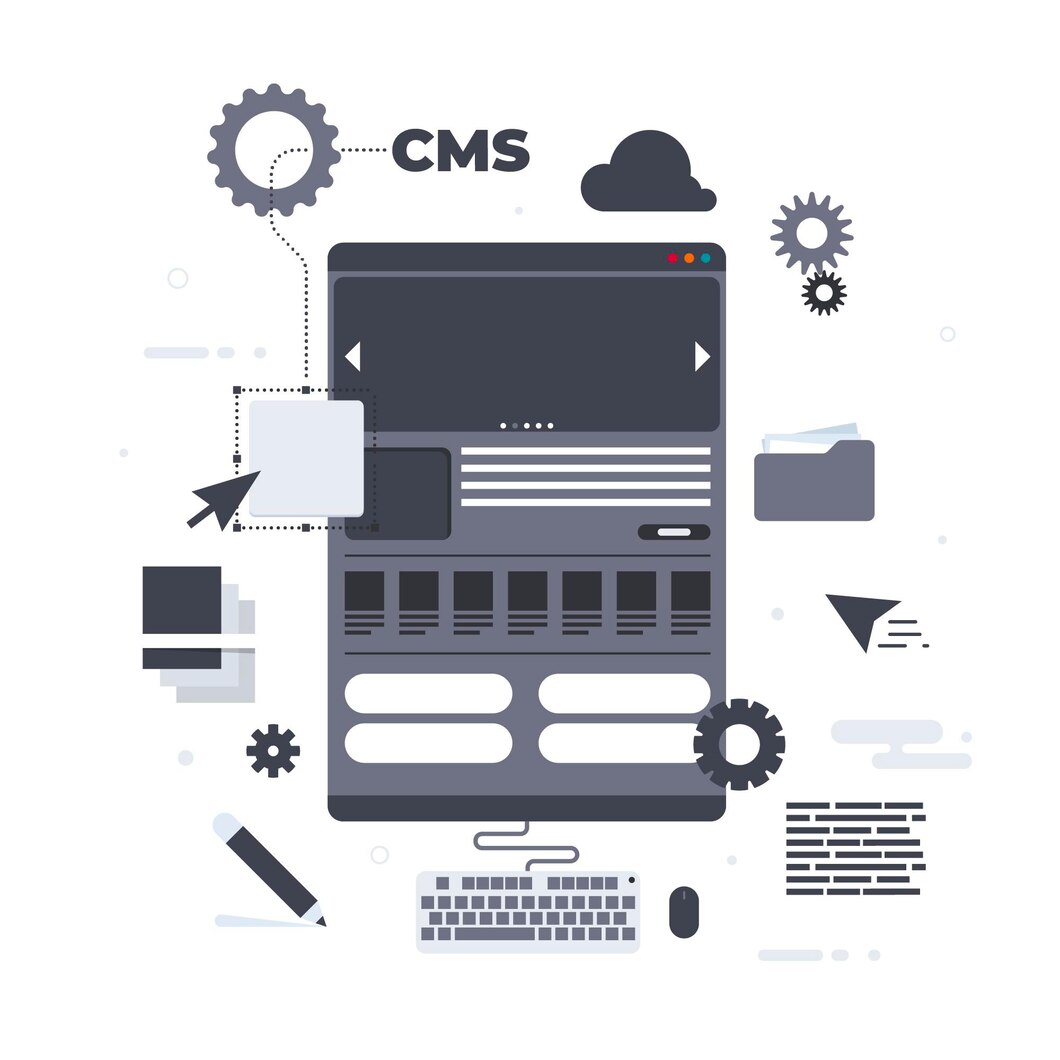
This is especially valuable when different segments have different needs. A Syracuse audience searching for a healthcare provider may respond to varied language than someone looking for professional services or education consulting. AI can support personalized content by modifying messages based on audience signals, device type, location, or past behavior.
AI also helps study behavior patterns at scale. It can highlight where visitors drop off, which sections get the most attention, and which changes increase the click-through rate. That insight makes landing page optimization more targeted and less dependent on opinion alone.
When used effectively, AI does not take over strategy. It strengthens it by improving testing speed, content relevance, and decision-making across the page.
What page components boost credibility and reliability?
Confidence is one of the main drivers of conversion rate. Even with strong layout and a compelling proposal, people hesitate if they do not trust the company. That is why a high-converting landing page should include clear social proof, visible testimonials, and other trust signals that reduce doubt.
Examples include client reviews, industry certifications, local affiliations, service guarantees, and recognizable brand markers. Trust badges can help when used honestly and sparingly, especially for forms, payment pages, or service inquiries. The goal is to reassure visitors that they are making a secure choice.
Case studies are especially effective for high-consideration services such as legal, healthcare, home remodeling, and B2B consulting. A short example showing the problem, solution, and result can help a visitor see how your process works. For Syracuse businesses, a local case study from Onondaga County or the greater Syracuse metro can feel more relevant than a generic national example.
Authority improves when the page also shows real local presence. Mentioning Central New York service areas, downtown Syracuse experience, or service coverage in Armory Square and Eastwood can help reinforce that the business is accessible and established.
How essential is site speed and technical quality?
Page speed is a clear driver of conversions. When a page takes too long to load, people leave before they get to see the offer. Slow loading time damages both user satisfaction and search performance, which makes technical quality a core part of landing page success.
Core Web Vitals play a role because they measure the true experience of page loading and interaction. A page that loads quickly, responds smoothly, and avoids layout shifts creates a more positive first impression. That better experience supports more visits, more engagement, and more conversions.
Technical SEO also helps to performance by making the page easier for search engines to crawl and understand. Clean code, compressed images, proper indexing, and optimized scripts all help the page perform more effectively. These technical elements are often invisible to users, but they shape whether the page performs at its best.
For Syracuse users, speed matters even more during winter weather or busy travel times when mobile connections may be less reliable. A fast, stable page reduces friction and keeps potential leads from dropping off before they convert.
What writing components guide users to act?
The strongest landing pages feature a strong headline to present the message quickly. The headline should align with the visitor’s objective and reflect the page’s main promise. Right away, people should understand your service, who it is for, and why it counts.
From there, benefit-focused text should explain benefits rather than just stating features. Visitors want to know how the service fixes their problem, reduces stress, cuts time, or enhances results. Good copy communicates directly to pain points and demonstrates how your offer creates convenience.
The proposal should come across as specific and low-friction. Whether it is a consultation, estimate, audit, or demo, the visitor should understand exactly what happens next. The action button should be clear, conversion-focused, and easy to find. Phrases like “Request Your Quote,” “Book a Consultation,” or “Get Started Today” usually work better than vague labels.
Strong copy also relies on concise sections, bullet points, and scannable formatting to aid quick decision-making. That structure helps the visitor progress from awareness to action without confusion.
How can Syracuse, NY businesses adapt landing pages locally?
Local relevance can create a major difference for businesses in Syracuse, NY. A page built for local search should use local SEO principles so it aligns with the way nearby customers search for services. That includes mentioning neighborhoods, service areas, and location-specific needs where appropriate.
Geotargeting can help tailor messaging for people in downtown Syracuse, Armory Square, Eastwood, or surrounding Central New York communities. A plumber, dentist, university consultant, or attorney serving the area should make the local connection obvious. That can improve trust and make the page feel more relevant right away.
Service area details are especially useful for businesses that cover Onondaga County or the greater Syracuse metro. Clear local coverage helps visitors know whether they are in range, which reduces uncertainty and supports conversion.
Regional context matters too. Seasonal weather may impact demand for home services, SUNY Syracuse-area traffic can shape scheduling behavior, and event-driven spikes around the NYS Fair can create sudden bursts of interest. A local landing page should mirror those patterns in both copy and timing.
What common landing page mistakes should you avoid?
One of the biggest mistakes is too many calls to action. If every section asks the visitor to do something different, the page loses focus. A high-converting page should usually lead users toward one primary action, with secondary options kept minimal.
Confusing navigation can also hurt performance. Landing pages are meant to reduce distractions, not send visitors off to unrelated pages. Too many links, menus, or competing offers can weaken the conversion path.
A unclear value proposition is another common problem. If visitors cannot quickly understand why your service is different or better, they have little reason to act. The page should clearly state the benefit, the audience, and the outcome.
Too much form friction can quietly destroy conversions. Lengthy forms, extra fields, vague labels, and technical issues create resistance. The more effort it takes to convert, the more people drop off before completion.
How can you tell if a landing page is converting?
Measurement starts with website analytics. You need a clear view of how many visitors arrive, where they come from, how long they stay, and what actions they take. Without analytics, it is hard to tell whether changes are helping or hurting performance.
Sunstone Digital Tech201 E Jefferson St, Syracuse, NY 13202
(315) 758-3349
https://maps.app.goo.gl/LNcnKZaUXSqxHPoT8
https://sunstonedigitaltech.com/
43.0471862, -76.1504376
Tracking conversions is essential because it shows which actions count as real business outcomes. That might mean form submissions, phone calls, bookings, downloads, or chat starts. Once those actions are tracked correctly, you can connect page changes to actual lead generation results.
It is also important to review bounce rate and engagement data. If people leave quickly, the page may not match their expectations or may be too slow. If users scroll, click, and interact but do not convert, the issue may be with the offer, the copy, or the form.
Conversion analysis works best when it combines metrics and background. A Syracuse business may notice better performance during certain times of year, from specific neighborhoods, or from specific referral sources. Those patterns can reveal where optimization should focus next.
What should a high-converting landing page include in 2026?
In 2026, the best pages will combine proven landing page best practices with smarter AI optimization and more thoughtful data use. That means pages should be speedy, easy to understand, localized, and designed around the needs of real visitors rather than trends alone.
First-party data will matter even more as businesses rely less on third-party tracking and more on direct customer insights. The landing page should help gather useful information in a transparent way, whether through a short form, a consultation request, or another form of lead capture.
Businesses should also plan for better integration between web design, SEO services, digital marketing, and ai experts. These should not be separate workstreams. A high-performing page comes from coordination: the design supports the message, the message supports search intent, the campaigns support audience targeting, and the data supports ongoing conversion optimization.
For Syracuse companies competing in home services, healthcare, education, legal, or professional services, this integrated approach can create a real advantage. When landing pages reflect local trust signals, strong user experience, and precise performance optimization, they are far more likely to turn traffic into qualified leads.
FAQ
What is the most important element of a high-converting landing page?
The most important element is a clear value proposition supported by a strong call to action. Visitors should immediately understand what the page offers, why it matters, and what to do next. If the message is clear and the path is simple, conversion rate usually improves.
How many CTAs should a landing page have?
Most landing pages should have one primary call to action repeated in a few strategic places. Too many CTAs can create uncertainty and diminish focus. You can reinforce the same action multiple times, but the goal should stay consistent from top to bottom.
Does SEO help landing pages convert better?
Yes. SEO services help a landing page align with search intent and attract visitors who are more likely to need the offer. Better keyword targeting and organic traffic quality often lead to stronger conversion outcomes because the page reaches the right audience.
What makes a landing page work for Syracuse, NY audiences?
A landing page works well for Syracuse, NY audiences when it feels local, relevant, and trustworthy. That means using local SEO, geotargeting, and service area details, plus references to places like downtown Syracuse, Armory Square, or Eastwood when appropriate. Seasonal and regional context also helps the page feel more authentic.
How do you test and improve landing page conversions over time?
You improve conversions by using analytics and conversion tracking to see what visitors do, then testing changes with A/B testing. Try different headlines, offers, CTA button text, form lengths, and layouts. Over time, those tests reveal what reduces friction and increases engagement metrics, bounce rate improvements, and lead generation results.